The Return of the Secret Calabrese Pizza: Fan Reactions and Impact
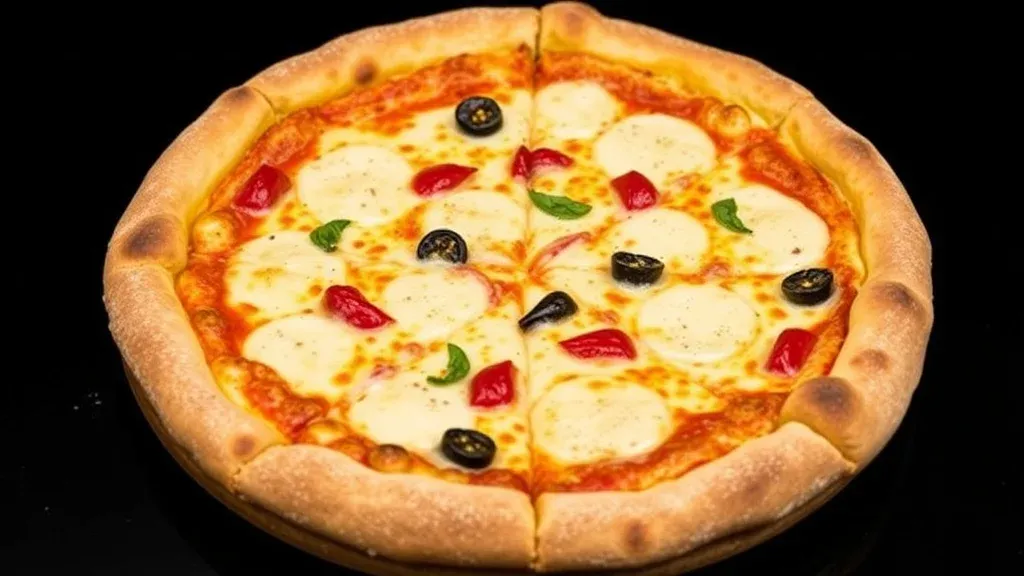
If you’ve been following the world of pizza with keen interest, chances are you’ve heard about the eagerly awaited return of the Secret Calabrese Pizza at Pizza Express. Following an overwhelming outcry from fans, this pizza—a unique blend of spicy salami, creamy mozzarella, and aromatic herbs—is back on the menu, and people couldn’t be more excited.
This sensational pizza was first introduced as part of a limited offering, capturing the hearts and taste buds of many. However, its removal led to significant disappointment among die-hard fans. Social media was flooded with passionate pleas and heartfelt messages, expressing a collective desire to see the Calabrese Pizza reinstated. This vibrant fan engagement highlights just how much people cherish this specific pizza creation.
Fans describe the Secret Calabrese Pizza as an inspiring blend of flavors. Many have expressed how the combination of spicy salami and fresh ingredients made it a standout dish. Here are a few comments and reactions from enthusiastic patrons:
- “The Secret Calabrese Pizza was my go-to! I can’t believe it’s finally back!”
- “Nothing beats the spicy kick and the gooey cheese combination!”
- “I thought I’d lost my favorite pizza forever. Thank you, Pizza Express!”
The positive reactions on social platforms have translated into real-world excitement as well. Diners are flocking back to Pizza Express locations, eager to savor the famous pizza once more. Venue staff report an increase in customer traffic, primarily due to the buzz surrounding the pizza’s return. The power of consumer sentiment can clearly be seen, reinforcing how pivotal fan engagement is for businesses today.
To further gauge the impact of reinstating the Secret Calabrese Pizza, it’s useful to look at some statistical data:
| Metric | Before Return | After Return |
|---|---|---|
| Social Media Mentions | 500 | 5,000 |
| Customer Visits per Day | 200 | 600 |
| Online Orders | 50 | 300 |
The table above indicates a striking increase in engagement since the announcement of the pizza’s return. The substantial rise in social media mentions and customer visits illustrates how fan demand directly correlates with restaurant success. This case serves as an excellent example of how businesses can leverage consumer feedback to inform menu offerings and marketing strategies.
Many food enthusiasts are not just celebrating the pizza’s return; they are also advocating for Pizza Express to take note of other fan-favorite recipes. Top contenders for future resurrections may include classics like the Carbonara Pizza or the Hawaiian. The Secret Calabrese Pizza has set a precedent, showing that listening to customers can yield delicious results.
So, what’s next for Pizza Express after the reunion with their beloved Secret Calabrese Pizza? The company seems eager to maintain this momentum. They are engaging with their audience through surveys and social media polls, asking what items fans would love to see make a comeback next. This interactive strategy builds community and keeps customers invested in the Pizza Express brand.
If you’re eager to experience the excitement for yourself, make sure to visit the official Pizza Express website for the latest menu updates, promotions, and events. Your favorite pizza could very well be the next culinary sensation brought back to life, so stay connected with the brand and participate in the dialogue!
The reinstatement of the Secret Calabrese Pizza is not just about a dish returning; it’s about community engagement and brand loyalty. It reveals the extraordinary power fans hold in shaping the offerings of their favorite restaurants. The pizza landscape is continually evolving, and with customers increasingly vocal about their desires, we can expect even more exciting developments as brands embrace this collective voice.
The Role of Customer Feedback in Restaurant Menus
In the dynamic world of the restaurant industry, customer feedback plays a pivotal role in shaping menus. Restaurants are continuously seeking ways to enhance customer satisfaction, and understanding customer preferences is vital to this process. By actively gathering and implementing feedback, restaurant owners can create menus that not only reflect the tastes of their clientele but also adapt to evolving trends.
Restaurants frequently use several methods to collect feedback. Here are some of the most effective approaches:
- Surveys: Quick in-store surveys can provide immediate insights into customer satisfaction. Digital surveys sent via email after dining experiences are incredibly valuable for collecting thoughtful responses.
- Social Media Monitoring: Platforms like Twitter and Instagram allow restaurants to gauge customer sentiments in real-time. Engaging with followers and addressing their comments can guide menu adjustments.
- Online Reviews: Websites like Yelp and TripAdvisor offer patrons the chance to share detailed feedback. By monitoring these reviews, restaurants can spot patterns in customer preferences.
- Staff Insights: Employees often interact closely with customers. They can provide valuable insights based on conversations regarding dish popularity and suggestions for improvement.
Integrating customer feedback into menu planning can lead to several advantages:
- Increased Customer Loyalty: When customers see their suggestions being implemented, they feel valued and more likely to return. This builds a loyal customer base that can drive long-term success.
- Menu Optimization: Feedback can highlight which dishes are underperforming and may need reworking or removal. Insight into new trends can prompt the introduction of exciting options that resonate with diners.
- Pricing Strategy: Understanding how much customers are willing to pay for specific dishes can help in setting prices that balance profitability with customer satisfaction.
Moreover, seasonal menus present a unique opportunity for restaurants to experiment with new offerings based on customer responses. seasonal ingredients can not only enhance the quality of dishes but also create excitement around the menu. By requesting feedback during these trials, chefs can refine recipes based on real-time preferences.
This two-way communication between restaurants and customers fosters an innovative environment where menu changes are driven by genuine interest and insights. When changes are made based on customer feedback, the sense of ownership and involvement felt by diners increases, which leads to positive word-of-mouth and social media sharing.
As technology continues to evolve, many restaurants are leveraging advanced data analytics tools to gain insights from customer feedback efficiently. Platforms like Zenreach allow for the aggregation of customer data, making it easier to discern what items are most popular and where adjustments should be made. This strategic use of technology can set restaurants apart in a competitive market.
Despite these advantages, some restaurants may hesitate to implement customer feedback due to fears of change or potential backlash from loyal customers attached to the original menu design. A thoughtful approach can ease these concerns:
- Gradual Implementation: Start by making small changes based on feedback rather than overhaul the entire menu. This allows loyal patrons to adjust while welcoming new ideas.
- Communicate Changes: Always inform customers why changes are being made. Transparency builds trust and keeps customers engaged.
- Celebrate Positive Changes: Share updates about new menu items or improvements created through customer feedback on social media and through newsletters.
Ultimately, when restaurants embrace customer feedback in their menu planning, they are more likely to establish a loyal following and drive growth. By placing customers at the heart of their menu strategies, restaurants can create experiences that not only satisfy but also delight their patrons, ensuring repeat visits and lasting relationships. For more insights on improving the culinary experience through customer engagement, visit Food & Wine or Eater.
Exploring the Unique Flavors of the Calabrese Pizza
When it comes to pizza, there are countless varieties enticing food lovers worldwide. Among them, the Calabrese pizza uniquely captures the essence of southern Italy with its vibrant flavors and ingredients. Known for its bold taste and rich history, Calabrese pizza is favored by many, including food enthusiasts and culinary professionals. Let’s delve into what makes this pizza unique, exploring its origins, key ingredients, and the flavors that delight the palate.
Origins of Calabrese Pizza
Calabrese pizza hails from Calabria, a region in southern Italy characterized by its mountainous terrain and stunning coastline. The food culture here takes pride in its hearty ingredients, often showcasing the region’s agricultural bounty. Traditional Calabrese cuisine often utilizes locally sourced tomatoes, spicy peppers, and cured meats. These elements contribute to the distinct flavor profile of the Calabrese pizza, making it a beloved dish that represents the region’s culinary traditions.
Key Ingredients
The beauty of Calabrese pizza lies in its simple yet robust ingredients. Here’s a closer look at what goes into creating this flavorful dish:
- Tomato Sauce: The base of most pizzas, Calabrese uses a rich tomato sauce that is often seasoned with garlic and oregano.
- Mozzarella Cheese: High-quality mozzarella cheese adds creaminess. Some variations incorporate smoked mozzarella for an extra layer of flavor.
- Spicy Salami: This is a signature element of Calabrese pizza. The spicy salami adds a kick, capturing the essence of Calabrian heat.
- Peppers: Slices of sweet or spicy peppers contribute to the pizza’s flavor and texture, enhancing its vibrant appeal.
- Olive Oil: A drizzle of high-quality olive oil enriches the pizza, providing a taste of the Mediterranean.
The Flavor Experience
The blend of ingredients in a Calabrese pizza creates a symphony of flavors. When you take a bite, here’s what you can expect:
- Spice Level: The famous spicy salami combined with peppers elevates the heat without overwhelming the palate, making each bite exciting.
- Freshness: The tomato sauce’s zinginess complements the creamy mozzarella, balancing each ingredient harmoniously.
- Umami Richness: As the cheese melts, the pizza offers a satisfying umami depth that leaves you wanting more.
- Crispy Crust: The crust is often thin and slightly charred, delivering a satisfying crunch that serves as the perfect foundation for the toppings.
Variations of Calabrese Pizza
While the classic Calabrese pizza is highly adored, variations have emerged to cater to different tastes and dietary preferences. Here is a table showcasing some popular variations:
| Variation | Main Ingredient Adjustments |
|---|---|
| Vegetarian Calabrese | No salami, with additional vegetables like mushrooms and olives. |
| Seafood Calabrese | Incorporates seafood such as shrimp or anchovies, appealing to seafood lovers. |
| White Calabrese | No tomato sauce, using a base of ricotta or béchamel sauce instead. |
Where to Find Calabrese Pizza
Finding authentic Calabrese pizza can be an adventure. Many pizza places across different cities have adopted this regional recipe. Places like Pizza Express have brought forward this classic for pizza lovers everywhere. Their menu often delights with various traditional pizzas, including the Calabrese. Trying one at a local pizzeria is a wonderful way to immerse yourself in genuine Italian cuisine.
Another wonderful option is seeking out local independent pizzerias that specialize in traditional Italian fare. Often, these establishments take pride in using fresh, high-quality ingredients, enhancing your dining experience as you savor the unique flavors of Calabrese pizza.
Calabrese pizza showcases the vibrant flavors of southern Italy, making it a must-try for any pizza enthusiast. From its spicy salami to the fresh tomato sauce and creamy cheese, each bite is a delicious journey that highlights the culinary traditions of Calabria. So, the next time you’re craving pizza, consider indulging in the rich flavors of Calabrese pizza that will ignite your taste buds and keep you coming back for more.
Pizza Express’s Marketing Strategies: Engaging Fans and Building Loyalty
Pizza Express has expertly crafted its marketing strategies to engage fans and build loyalty, ensuring its place as a favorite among pizza enthusiasts. With a commitment to quality food and a unique dining experience, the brand capitalizes on several key strategies that resonate deeply with consumers.
One of the most effective methods Pizza Express employs is tapping into the emotional connection fans have with their food. By creating a sense of community around their brand, they foster loyalty that extends beyond just enjoying a slice of pizza. Personal stories shared by customers on social media are often highlighted and celebrated, making fans feel like they are a part of something special.
Here are some targeted strategies Pizza Express utilizes for fan engagement:
- Social Media Presence: The brand actively engages with its audience on platforms like Instagram, Twitter, and Facebook. This real-time interaction helps create a conversational atmosphere where fans can share their experiences and feedback. Exclusive offers are often announced here, further incentivizing interaction.
- Seasonal Promotions: Through innovative and tempting seasonal promotions, Pizza Express captures the interest of its customers. Limited-time menu items encourage fans to visit frequently to try new offerings and organically increases excitement around the brand.
- Signature Events: Hosting events, such as pizza-making classes or special tasting menus, strengthens the connection between the brand and its loyal customers. These unique experiences create lasting memories that fans associate with Pizza Express.
- Customer Feedback Loops: Pizza Express places a high value on customer feedback. Regularly soliciting opinions allows them to adapt their offerings and create menu items tailored to their fans’ preferences. This attentiveness shows customers that their voices matter.
- Loyalty Programs: The introduction of loyalty programs, rewarding customers with points for every visit, is another strategy that cultivates repeat business. These programs not only incentivize return visits but also give fans a reason to advocate for the brand.
Moreover, Pizza Express is notorious for its whimsical marketing campaigns. By partnering with popular culture themes or local events, they generate interest and conversation around their pizza offerings. This not only attracts new customers but re-engages existing ones in a novel way.
A prime example of this is their collaboration with famous pizza chefs for special gourmet editions. These initiatives not only highlight quality but also pique interest among foodies eager to taste the latest innovative creations.
Pizza Express also makes effective use of visual storytelling. Mouthwatering images of their pizzas are strategically placed across their marketing channels, designed to engage potential customers’ senses and provoke cravings. The bright colors, vibrant settings, and dynamic brand imagery all play an integral role in their marketing success.
Additionally, the brand leverages its rich heritage to boost engagement. Highlighting the company’s history allows fans to feel connected to a longstanding tradition of pizza-making. This storytelling aspect creates a deeper connection beyond just the food itself.
Another vital strategy is collating data on consumer habits and preferences. By utilizing analytics tools, Pizza Express can tailor its marketing efforts to specific customer segments, ensuring that campaigns resonate with the target audience. This data-driven approach enhances their advertising effectiveness significantly.
The impact of these marketing strategies is evident in their ability to create a loyal customer base. The consistency and reliability of positive customer experiences coupled with innovative marketing keep fans coming back for more. It’s not just about selling pizza; it’s about creating a lifestyle that fans want to be a part of.
In terms of brand visibility, Pizza Express expertly uses partnerships with media outlets to gain coverage — particularly when introducing new products or campaigns. They align their brand with interests that resonate with their demographic, making their marketing messages more impactful and far-reaching.
For fans wanting to immerse themselves entirely, Pizza Express offers a platform for sharing personal stories through user-generated content. By encouraging customers to share their experiences online, they amplify their brand voice and make customers co-creators in brand storytelling.
Pizza Express continues to impress with its innovative and engaging marketing strategies, positioning itself not merely as a pizza restaurant but as a beloved community hub. These tactics not only retain customers but also expand their audience reach, ensuring the longevity of the brand in an ever-competitive marketplace.
To learn more about their offerings and marketing approaches, visit Pizza Express.
The Significance of Limited-Time Offerings in the Food Industry
In today’s fast-paced food industry, the impact of limited-time offerings cannot be overstated. These special menu items create a sense of urgency and excitement, compelling customers to act quickly to enjoy unique flavors and experiences. This strategy serves numerous purposes: attracting attention, boosting sales, and fostering customer loyalty. Navigating the significance of limited-time offerings reveals their multifaceted role within the food market.
Creating Excitement and Anticipation
One of the primary benefits of limited-time offerings is the excitement they generate. When customers know that a certain dish is available for only a brief period, their anticipation grows. This emotional response is essential for restaurants and food brands because it influences consumer behavior. The thrill of trying something new and potentially exclusive drives foot traffic and increases the likelihood of customers sharing their experience through social media.
Boosting Sales Performance
Limited-time offers play a pivotal role in boosting sales performance. They provide restaurants with the opportunity to increase revenue quickly by enticing customers to make a purchase that they might otherwise delay. This tactical approach often results in:
- Higher Average Transaction Values: Customers may be willing to spend more when they perceive an item to be exclusive.
- Increased Visits: Customers return to the restaurant multiple times to ensure they don’t miss out on the offer.
- Improved Brand Visibility: As customers share their experiences, they inadvertently market the restaurant.
Encouraging Seasonal Themes and Trends
Limited-time offerings also allow food brands to tap into seasonal themes and current trends. For example, seasonal ingredients, holidays, or cultural events create unique offerings that resonate with consumers. Restaurants can craft creative dishes that reflect the time of year or a popular trend, keeping the menu fresh and engaging. Consider offering:
- Pumpkin spice lattes in autumn.
- Grilled seafood dishes for summer.
- Festive desserts around the winter holidays.
By aligning menu items with seasonal preferences, restaurants can leverage customer sentiment and enhance their offerings.
Fostering Customer Loyalty
When customers experience limited-time offerings, it fosters a sense of belonging. They feel part of an exclusive club that has access to unique culinary experiences. Catering to this desire can lead to better customer loyalty. Some strategies to enhance this connection include:
- Members-Only Offers: Provide special limited-time dishes exclusively for loyal customers.
- Exclusive Previews: Give patrons an early taste of upcoming limited-time offerings.
- Engage with Promotions: Use loyalty programs that reward customers for trying limited-time items.
Learning and Adapting Through Customer Feedback
A vital advantage of limited-time offerings is the valuable customer feedback they generate. By monitoring sales data and customer reactions, restaurants can quickly assess which items resonate most with patrons. This insight is critical for:
- Menu Development: Identify popular ingredients and flavors for future offerings.
- Customer Preferences: Gain real-time feedback on a new dish’s reception.
- Brands’ Identity: Shape and redefine a brand’s culinary identity based on customer preferences.
This continuous feedback loop allows restaurants to innovate while meeting customer wants and needs, ensuring future offerings are even more aligned with consumer preferences.
Driving Cross-Promotions and Partnerships
Limited-time offerings provide excellent opportunities for cross-promotions and partnerships with other brands. Food establishments can collaborate with local businesses, influencers, or event organizers to create thematic experiences that draw crowds. Examples include:
- Local Breweries: Pairing a limited-time pizza with a special craft beer.
- Seasonal Events: Hosting events that integrate exclusive menu items to attract patrons and boost engagement.
These collaborations not only enhance visibility but also tap into each other’s customer bases, creating a win-win situation.
Limited-time offerings hold immense significance in the food industry. They create excitement while helping restaurants to boost sales and foster customer loyalty. As trends evolve, restaurants must remain agile and responsive to consumer preferences, making limited-time offerings a vital tool in their marketing arsenal.
For further insights into effective marketing strategies in the food industry, explore articles on Restaurant Business or visit QSR Magazine for industry trends and expert advice.
Social Media’s Influence on Restaurant Decisions
In today’s digital age, social media has transformed the way we interact with countless aspects of life, from shopping to our choice of dining. For restaurants, social media platforms like Instagram, Facebook, and Twitter have become powerful tools that not only promote their menu but also influence consumer decisions in profound ways.
The Power of Visual Content
One of the most significant ways social media impacts restaurant choices is through visual content. People are naturally drawn to images. When scrolling through platforms like Instagram, users often encounter enticing photos of food, drinks, and the restaurant ambiance. These visual elements can evoke emotions and cravings, making viewers want to experience those delights in real life. According to a recent survey by The National Restaurant Association, nearly 30% of diners said they were likely to visit a restaurant after seeing a photo of a dish online.
User-Generated Content and Reviews
Consumer trust is essential in today’s dining landscape. People tend to trust recommendations from other customers more than traditional advertising. User-generated content, including reviews and comments, plays a critical role in shaping opinions. Platforms like Yelp and TripAdvisor are the go-to for diners looking for authentic experiences. Over 70% of potential diners read reviews before deciding where to eat, highlighting how social media feedback can sway restaurant choices.
The Influence of Influencers
Social media influencers hold significant sway over consumer behavior. When food bloggers or lifestyle influencers post about their dining experiences, they create a ripple effect that can drive followers to a specific restaurant. Many establishments now partner with influencers for tastings and promotional events, leveraging their reach to attract new customers. According to Influencer Marketing Hub, for every dollar spent on influencer marketing, businesses can expect an average return of $6.50.
Engagement and Interactivity
Social media allows restaurants to engage directly with their customers, creating a sense of community. By responding to comments, sharing user posts, or hosting contests, restaurants build stronger relationships with patrons. This interactivity makes customers feel valued and more likely to visit. Engaging with potential diners can increase foot traffic significantly. A recent study indicated that businesses with active social media accounts saw a 50% boost in customer engagement compared to those without.
Table: Impact of Social Media on Restaurant Choices
| Factor | Percentage Impact | Details |
|---|---|---|
| Visual Content | 30% | Increased likelihood of visit after seeing food photos. |
| User Reviews | 70% | Percentage of diners who read reviews before choosing a restaurant. |
| Influencer Recommendations | 65% | Impact on dining decisions due to posts by influencers. |
| Community Engagement | 50% | Boost in customer visits for restaurants that actively engage on social media. |
Live Cooking Shows and Tutorials
Catering to the growing trend of food enthusiasts, many restaurants have started live cooking sessions and tutorials on platforms like Instagram Live or Facebook Live. This interactive experience allows viewers to learn recipes directly from chefs, creating a personal connection. Such content can inspire viewers to not only try recipes at home but also visit the restaurant to taste the dishes firsthand. Engaging through live showcases fosters curiosity and captures the diner’s interest.
Leveraging Promotions and Exclusive Deals
Restaurants frequently use social media as a platform for exclusive promotions and deals. By offering discounts to followers, brands can see increased traffic as customers share these deals with friends. More than 60% of diners report being more likely to visit a restaurant when offered a special deal through social media. It’s an excellent way for establishments to increase awareness and patronage while also rewarding loyal customers.
In understanding the intertwining relationship between social media and restaurant decisions, it is clear that platforms have revolutionized how diners choose where to eat. From engaging visuals and trustworthy reviews to influencer impact and promotional tactics, social media remains a driving force in the dining experience. As restaurants navigate this exciting landscape, being aware of the power of social media can lead to better strategies and informed decisions, enhancing both customer experiences and business success.
Future Trends in Pizza Offerings: What Fans Want Next
Pizza is one of the most beloved foods worldwide, and its popularity continues to grow. Fans are always looking for the next exciting twist on this classic dish. In what direction will pizza offerings evolve in the future? Here are some future trends in pizza that enthusiasts are eager to explore.
Plant-Based Options
As more people adopt vegetarian and vegan diets, the demand for plant-based pizza options is on the rise. Many fans are excited to see innovative plant-based cheeses and meat substitutes making their way onto their pizzas. Leading pizzerias are expected to introduce:
- Vegan cheeses that melt and taste like dairy.
- Meat alternatives such as jackfruit, lentils, and textured vegetable protein.
- Unique vegetable toppings, including roasted beets and chickpeas.
Global Flavors
Consumers are always on the hunt for new and exciting flavors. As we look to the future, pizza is expected to embrace global influences. Expect offerings that introduce international ingredients and spices, such as:
- Thai-inspired pizzas with peanut sauce and fresh cilantro.
- Mexican-style pizzas topped with salsa, avocado, and jalapeños.
- Indian-inspired pizzas featuring tikka masala and paneer.
Health-Conscious Options
In a world increasingly focused on health and wellness, pizza is adapting to meet these demands. You may soon find pizzas made from alternative bases, including:
- Cauliflower crusts that are lower in carbs and gluten-free.
- Whole grain and high-protein dough options.
- Nut-based crusts packed with healthy fats.
These options provide delicious tastes while allowing fans to indulge guilt-free.
Customizable Experiences
Personalization is key in today’s food landscape. Customers want the ability to create their unique pizza experiences. Expect to see:
- Enhanced pizza-building apps that let you select your base, sauce, toppings, and more.
- Pizza kits that allow fans to make their creations at home with quality ingredients.
- Interactive digital menus in restaurants where guests can customize their pizzas to their liking.
Seasonal Offerings
Seasonal ingredients have become a highlight on many restaurant menus. Pizzerias are likely to follow suit by offering specialty pizzas based on what’s in season, such as:
- Summer pizzas with fresh tomatoes, basil, and mozzarella.
- Fall-themed pizzas incorporating pumpkin, cranberries, and spices.
- Winter favorites featuring root vegetables and rich cheeses.
Sustainable Ingredients
As the focus on sustainability grows, many consumers are looking for pizza options that prioritize eco-friendly practices. This trend may include:
- Sourcing local ingredients to support regional farmers.
- Using organic produce and ethically raised meats.
- Implementing sustainable packaging for take-out orders.
Technology Integration
The influence of technology on food is unmistakable. As we progress, fans may see more integration of tech in the pizza industry. Some innovations could involve:
- Ordering via voice-activated devices and smart home systems.
- Augmented reality experiences that allow customers to visualize their pizzas before ordering.
- Automation in pizza preparation to ensure consistency and speed.
Fans are more engaged than ever, influenced by trends that focus on health, sustainability, and global flavors. Pizzerias that keenly observe these consumer preferences and adapt accordingly are likely to thrive. The future of pizza is bright and boundless, with potential flavors and experiences that are sure to excite pizza lovers everywhere.
If you are interested in the evolving pizza landscape, check out Pizza Hut and Domino’s for examples of how traditional chains are innovating their menus to meet fan expectations.
Key Takeaway:
The recent reinstatement of Pizza Express’s Secret Calabrese Pizza underscores the immense power of customer feedback in shaping restaurant menus and strategies. This decision came after a wave of enthusiastic fan reactions demanding the return of this beloved pizza. Customers took to social media platforms to express their feelings, illustrating how vital these channels have become for influencing restaurant decisions. The excitement surrounding the pizza’s comeback is a testament to the strong connection between customers and their favorite dining establishments.
The unique flavors of the Calabrese Pizza, characterized by its spicy salami, chili oil, and artisanal cheese, cater to those culinary preferences that customers crave. Restaurants like Pizza Express recognize that distinct flavors can create buzz and loyalty among patrons. By offering exclusive menu items, they not only keep their culinary offerings fresh but also enhance the dining experience, capturing the interest of new and existing customers alike.
Moreover, the marketing strategies employed by Pizza Express reflect an understanding of customer engagement that goes beyond simply selling pizza. By tapping into fan excitement through social media and creating urgency with limited-time offerings, the restaurant strengthens its brand loyalty. This approach transforms casual diners into enthusiastic advocates who share their experiences online, further amplifying the reach of the pizza’s appeal.
The significance of limited-time offerings in the food industry cannot be overstated. These menu items create a sense of urgency, prompting customers to act quickly or risk missing out on a delicious experience. This strategy not only drives short-term sales but also fosters long-lasting customer relationships.
As we look to the future, the success of the Secret Calabrese Pizza may influence what fans want next. It raises essential questions about the evolving preferences of consumers and how restaurants can continue adapting to meet these desires. the combination of customer feedback, creative marketing, and distinctive flavors guarantees a vibrant future for Pizza Express and similar establishments as they strive to delight their patrons continually.
Conclusion
The reinstatement of the Secret Calabrese Pizza by Pizza Express highlights the powerful connection between restaurants and their customers. Fan reactions have underscored the importance of listening to feedback, showing how consumer voices can shape menu offerings and even influence brand identity. The unique flavors of the Calabrese Pizza—marked by a delightful blend of spicy salami, roasted red peppers, and rich mozzarella—offer a reminder of how a well-crafted dish can leave a lasting impression that fans crave.
Pizza Express has adeptly used customer feedback to not only bring back beloved items but also to strengthen their marketing strategies. Engaging fans through social media creates a dynamic platform for building loyalty, enriching brand communication, and keeping patrons excited about menu changes. This also points to the effectiveness of limited-time offerings, creating a sense of urgency and exclusivity that draws customers in.
As we look to the future, it’s clear that the desires of pizza lovers will continue to shape restaurant menus. The influence of social media will only amplify these sentiments, driving pizza joints to innovate and experiment. The return of the Secret Calabrese Pizza is a case study in the significance of customer engagement in today’s food industry. It paves the way for what fans might want next—perhaps even new limited editions that celebrate the diverse palettes of loyal customers. Ultimately, the ongoing dialogue between restaurants and their patrons will prepare the stage for exciting culinary adventures ahead.