Cut Pizza Perfectly: Techniques to Avoid Squishing
Enjoying a slice of pizza is a favorite pastime for many, but getting the perfect cut without squishing the toppings can be a challenge. Here are some effective techniques to help you cut your pizza flawlessly. Following these tips will make sure you serve evenly-sized, delicious slices while keeping the integrity of the toppings intact.
Choosing the Right Tools
Using the appropriate tools can make a significant difference in how well you cut your pizza. Here are some popular options:
- Pizza Cutter Wheel: This tool features a sharp, round blade that glides through the pizza, minimizing pressure on the toppings.
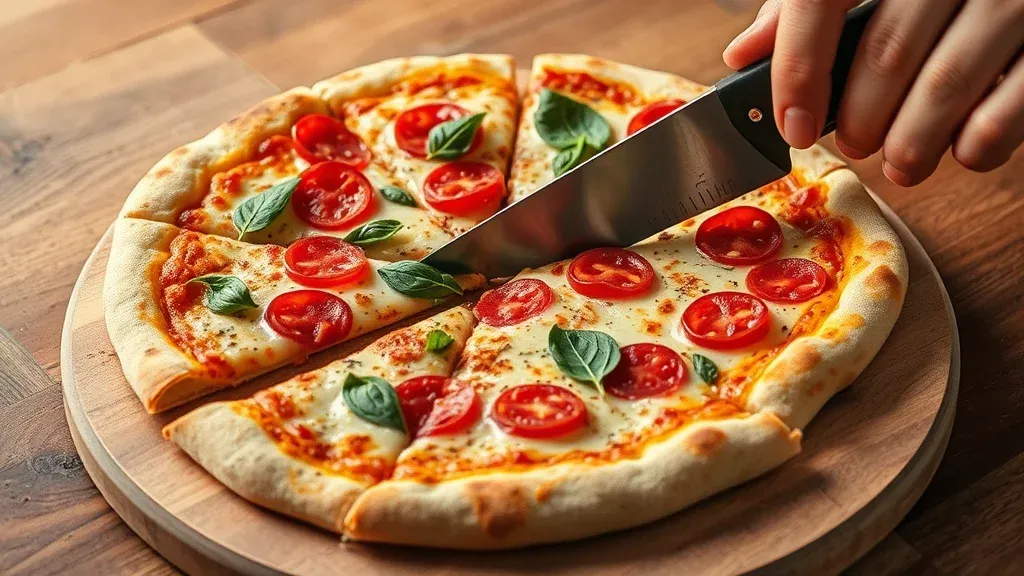
- Chef’s Knife: A sharp chef’s knife can also work well. Make sure to use a rocking motion instead of pressing down.
- Pizza Scissors: These specialized scissors allow you to simply snip the pizza into perfect slices without disturbing the toppings.
Optimal Cutting Technique
The way you cut your pizza can impact how well it holds together. Here are some advanced techniques:
- Let It Cool Briefly: Allow the pizza to rest for about 5 minutes after it comes out of the oven. This cooling period helps the cheese and toppings set, making the pizza easier to cut.
- Start from the Center: Begin cutting from the center towards the edges. This technique helps maintain a balance between the crust and toppings.
- Use Firm Pressure: Avoid pressing down too hard. Use a light, controlled motion to glide through the crust and toppings.
- Cut in a Sausage Pattern: Instead of cutting directly across, think of cutting in a circular motion around the pizza. This technique helps to prevent squishing while achieving the desired slice size.
The Right Angle Matters
The angle at which you cut can also influence the outcome. Here are some tips to ensure a clean cut:
- Keep a Low Angle: Aim to keep your cutter or knife close to parallel with the surface of the pizza. This position helps the blade glide through the crust and toppings with ease.
- Cut Straight Down: Unlike many other foods, cutting straight down can actually minimize the risk of squishing, especially if you use a wheel cutter. Avoid dragging the cutter or knife.
Utilizing Proper Technique for Different Toppings
Different toppings require different handling. Use these tips based on your pizza’s composition:
- For Thick, Topped Pizzas: Consider using a pizza cutter with a larger wheel. This tool can handle the heft better and keep the toppings stable.
- For Thin-Crust Pizzas: A gentle press with a sharp knife is sufficient. You can use a sawing motion to avoid pressing down too hard.
Tips for Pizza Presentation
Presentation enhances the pizza experience. To achieve an appealing look, try these ideas:
- Cut on a Wooden Board: This not only preserves the blade’s sharpness but also provides a nice rustic feel.
- Use a Serving Peel: Transport your pizza on a peel to serve directly, maintaining its structure and appearance.
If you’re looking to dive deeper into perfect pizza techniques, consider checking out PizzaCraft for various tools and resources. Additionally, Pizza School provides valuable insights on cutting techniques and pizza making.
Mastering the art of cutting pizza perfectly is all about technique and timing. By using the right tools, adopting effective cutting methods, and paying attention to angles, you can avoid squishing your pizza and serve beautifully sliced pieces. Enjoy your delicious, beautifully presented pizza next time you slice it!
The Best Tools for Slicing Pizza Without Mess
When it comes to enjoying a delicious slice of pizza, the last thing you want is for your favorite topping to end up squished underneath a clumsy cutting technique. Perfectly slicing pizza not only enhances your eating experience but also impresses your friends and family. To help you with this, here are the best tools for slicing pizza without mess.
Pizza Cutter Wheels
One of the most iconic tools in pizza slicing, the pizza cutter wheel is designed with a sharp circular blade that smoothly glides through crust and toppings. Here’s why they are essential:
- Easy to Use: Simply roll the cutter over the pizza for clean slices.
- Variety of Designs: From traditional metal wheels to fun and colorful designs, you can find one that matches your kitchen décor.
- Ergonomic Handles: Many pizza cutters come with comfortable grips for efficient slicing.
For an excellent variety, consider checking out Pizza Cutter Company, which offers numerous styles and sizes.
Pizza Shears
Pizza shears are a unique alternative to traditional rollers. They combine the cutting capability of scissors with a curved blade specially designed for pizza. Some key benefits include:
- Precision: Easily cut through small or large pizzas without disturbing the toppings.
- Dual Functionality: Many shears come with a built-in serving spatula, removing the need for additional tools.
- Simple Storage: Their compact design makes them easy to store in kitchen drawers.
To explore different styles, visit Pizza Shear Specialists.
Rocking Pizza Cutters
Unlike wheel cutters, a rocking pizza cutter uses a sharp blade on a handle that you rock back and forth. This technique can yield perfect slices with minimal effort, ideal for larger pizzas. Here’s what makes them exceptional:
- Efficient Cutting: The pivot motion allows for swift cuts through even the thickest crusts.
- Less Mess: The design reduces the chances of toppings getting squished, as you’re cutting through the pizza in one motion.
- Sturdy Construction: Most rocking cutters are made from durable materials that last.
For options in stylish and functional rocking pizza cutters, you may want to check Rocking Cutters.
Pizza Slicing Guides
Sometimes, the best tool to help slice pizza neatly is a slicing guide. This tool places the pizza in a designated area and indicates where to cut, ensuring that you get even slices every time. Here are some highlights:
- Consistency: Always achieve the same-sized pieces, perfect for sharing.
- User-Friendly: No prior experience required; even kids can help out safely.
- Material Options: Available in plastic or silicone, making washing simple.
For more details, you can explore Pizza Slicing Guides.
Cutting Boards with Grids
Though not a cutting tool per se, using a cutting board that features measurement grids can significantly improve your slicing game. These boards help you center your pizza and mark where to cut, which helps keep toppings intact.
- Accuracy: Grids assist in making perfectly symmetrical slices.
- Multipurpose Use: These boards can also serve as serving platters.
- Material Variety: Available in wood, plastic, and bamboo, providing options to fit any style.
If you are considering a cutting board, visit Pizza Boards for a range of options.
Choosing the right tools for slicing pizza can make a big difference in how you enjoy this beloved dish. With the right techniques and tools, you can cut pizza perfectly while avoiding the mess that often accompanies less effective methods. Each of these tools will help ensure that you get the perfect slice every time.
Understanding Pizza Types: How Thickness Affects Cutting
When you think about pizza, the first thing that often comes to mind is its delicious taste. However, the type of pizza and its thickness can greatly influence how you go about cutting it. Whether you prefer a thick, Chicago-style deep dish or a thin, crispy Neapolitan, understanding the impact of thickness can make your eating experience much more enjoyable.
Different Pizza Types and Their Thickness
Pizza comes in various styles and thicknesses, and each type presents unique challenges and techniques for cutting. Below are some common types of pizza based on their thickness:
- Thin Crust: This type features a crispy base and a relatively small amount of toppings. Its crust is usually less than a quarter of an inch thick, making it easy to cut cleanly.
- New York-Style: New York pizza has a foldable crust that is slightly thicker than thin crust but still remains quite manageable for cutting. Average thickness is about half an inch.
- Chicago Deep Dish: Known for its rich ingredients and deep, thick crust, it typically measures at least 1.5 inches. Cutting this type of pizza requires more care to prevent squishing its contents.
- Sicilian: Features a thick, square crust. The dough is typically about an inch thick, making it chewy and hearty. Cutting it properly without destroying its structure is key.
Understanding How Thickness Affects Cutting
The thickness of a pizza not only changes its flavor profile but also affects how it can be cut. Consider the following tips for cutting different types of pizzas:
Thin Crust Pizza
With thin crust pizza, you can use a pizza cutter or a sharp knife. The aim is to make quick, decisive cuts that won’t press down too hard on the toppings. Because the crust is sturdy but thin, you won’t have much risk of squishing.
New York-Style Pizza
This type is best sliced while held in one hand. Start from the middle and work your way outward to achieve neat slices without disturbing the toppings. A rocking motion of the pizza cutter can help in this process.
Chicago Deep Dish Pizza
When it comes to cutting deep dish pizza, patience is essential. Use a sharp knife for the initial cuts. It’s best to cut through the crust all the way down to the plate to maintain the structure of the toppings. Avoid pressing down too hard, as it could squish the thick layer of cheese and toppings.
Sicilian Pizza
For Sicilian pizza, a serrated knife works wonders. Due to its thickness, aim to make clean cuts without putting too much pressure on the toppings. Move slowly and ensure your knife goes through both the crust and the toppings.
Tips for Cutting Pizza Effectively
Here are some actionable tips that can help cut any type of pizza seamlessly:
- Let it Cool: Allow your pizza to cool for a few minutes. This helps the cheese and sauce set slightly, making for a more defined cut.
- Use the Right Tools: Invest in a good-quality pizza cutter or a wheel cutter. Avoid using a dull knife, as it increases the chances of squishing your pizza.
- Use a Cutting Board: Place your pizza on a cutting board instead of cutting it directly on the plate. This minimizes the risk of damaging your dinnerware while also offering a more stable surface to cut on.
- Practice Texture Awareness: Understand that different toppings may require different cutting techniques. Soft toppings like mozzarella cheese may squish easily if you apply too much pressure.
Resources for Pizza Lovers
To further enhance your pizza-making skills or to learn about various pizza types and their best cutting methods, you might find these websites helpful:
Understanding how the thickness of your pizza affects cutting can elevate your pizza experience. By selecting the right methods and tools, you can slice through your favorite pizza types effortlessly, ensuring an enjoyable meal every time.
The Importance of Letting Pizza Rest Before Slicing
When it comes to enjoying a delicious pizza, timing can be everything. One of the most vital steps in the pizza preparation process is allowing it to rest before slicing. This seemingly simple action can drastically affect the quality of your pizza slices and your overall dining experience.
Many pizza lovers are eager to dig in right after the pie comes out of the oven. However, cutting into a fresh, hot pizza immediately can lead to a messy situation. The cheese can be stringy, toppings may slide off, and the crust could squish, ruining what could be a beautifully plated dish.
Why Letting Pizza Rest Matters
There are several reasons why letting your pizza rest before slicing is essential:
- Cheese Firming: After being exposed to heat, the cheese on your pizza is molten and fluid. Allowing the pizza to rest for a few minutes helps the cheese firm up. This means you will have cleaner, more defined slices.
- Topping Stability: As the pizza cools slightly, the toppings settle into place. This stability is crucial for ensuring no toppings slide off when you attempt to cut or serve your pizza.
- Crust Crispiness: If you slice into the pizza too soon, moisture can escape from the crust. A short resting period enhances the crust’s crispness, giving you that ideal crunch with each bite.
- Flavor Development: Letting your pizza sit can also enhance the flavors. The ingredients have time to meld together, resulting in a richer taste.
How Long Should You Let Pizza Rest?
Typically, allowing your pizza to rest for about 5-10 minutes is sufficient. This timeframe lets the steam escape while the cheese begins to set. If you opt for a thicker crust or a pizza loaded with toppings, it may benefit from resting a little longer—around 10-15 minutes.
Techniques to Cut Pizza Perfectly After Resting
Once you’ve let your pizza rest, it’s crucial to use the right techniques to cut it perfectly:
- Use a Sharp Pizza Cutter: Invest in a high-quality pizza cutter for smooth slicing. Dull knives can squish the cheese and toppings.
- Angle Matters: When cutting, hold your pizza cutter at a slight angle. This technique helps glide through the crust and ingredients more efficiently.
- Cut in Straight Lines: For even slices, start at the center of the pizza and cut straight to the edge before rotating and repeating.
- Choose the Right Surface: Always slice your pizza on a cutting board or a pizza stone. This step will protect your countertop and provide better stability.
Common Mistakes to Avoid
It’s easy to overlook certain points of caution when cutting your pizza post-resting period. Here are a few common mistakes to be aware of:
- Slicing Too Soon: As mentioned, cutting immediately can lead to messy squares. Always wait a few minutes.
- Using Unsafe Knives: Avoid non-pizza specific utensils. They can lead to uneven cuts or damage your pizza.
- Neglecting Topping Care: If you’re making a gourmet pizza with delicate toppings, be sure to handle it with care to maintain presentation and flavor.
Understanding the importance of letting your pizza rest before slicing can take your pizza-making skills to another level. Not only does it provide aesthetic benefits, but it also enhances the overall flavor and texture. Food is a sensory experience, and you want to ensure that every bite is as delicious as possible.
For more pizza-making tips and techniques, check out Pizza Tutorials or enhance your culinary skills with blogs like Pizza Guides. These resources can provide a wealth of information to help you master cutting and enjoying pizza!
Tips for Cutting Cold or Leftover Pizza Successfully
When it comes to pizza, there’s no denying that enjoying your favorite slices is a joy. However, if you’ve ever tried to cut cold or leftover pizza, you know it can be a real challenge. Cold pizza can become hard and difficult to slice without squishing those delicious toppings. Luckily, with a few simple techniques, you can cut your pizza perfectly every time, ensuring that you get those mouthwatering slices without the mess.
Choose the Right Tools
The tools you use can make a huge difference when cutting cold or leftover pizza. Here are some options to consider:
- Pizza Cutter: A sharp, high-quality pizza cutter is ideal. Look for a wheel-style cutter with a sharp blade that can easily glide through cheese and toppings.
- Chef’s Knife: If you don’t have a pizza cutter, a good chef’s knife will do. Just ensure it’s sharp to minimize squishing.
- Scissors: Surprisingly, kitchen scissors can be an excellent tool for cutting pizza. They allow for precise cuts without the risk of pressing down too hard.
Warm It Up Slightly
One effective way to make cutting cold pizza easier is to warm it up a bit. You don’t want to cook it, just heat it enough to make the crust softer and the cheese more pliable.
- Microwave for 10-15 seconds.
- Place it in a preheated oven at 200°F (93°C) for about 5-8 minutes.
Warming the pizza a little can make a significant difference in how easy it is to cut through the layers without squishing toppings.
Use a Gentle Touch
When cutting pizza, the way you handle your cutter or knife matters. Here are some tips to remember:
- Apply steady pressure rather than pressing too hard.
- Start from the edge and work your way to the center if using a pizza cutter.
- For a knife, use a sawing motion instead of pressing down directly.
Slice in a Right Order
It’s not just about how you cut; it’s also about where you start. Follow these steps for the best results:
- Begin at the center of the pizza.
- Cut outwards in a circular motion.
- Create smaller wedges rather than large slices.
This order helps keep the toppings intact and prevents squishing.
Consider Serving Techniques
Another key point to remember is how you serve the pizza after cutting. Here are some techniques to keep it looking great:
- Pizza Peel: If you have a pizza peel, use it to serve slices without dragging toppings.
- Spatula: A thin spatula can be a great alternative for lifting slices. It allows you to keep the shape of the slice while serving.
Tips for Storage
Preventing your pizza from getting too hard in the first place begins with how you store it. Proper storage can make a significant difference in the quality of cold pizza:
- Wrap individual slices in plastic wrap to maintain freshness.
- Store in an airtight container to minimize exposure to air.
Additionally, if you plan to freeze your pizza, cut it into slices before freezing. This way, you can easily take out just what you need without thawing the whole pizza.
Final Thoughts on Cutting Cold Pizza
Cutting cold or leftover pizza successfully doesn’t have to be a hassle when you employ the right techniques and tools. By warming the pizza slightly, using the proper cutting methods, and ensuring you store it well, you can enjoy beautifully cut slices every time. For more pizza-making tips and tricks, visit Pizza Today and explore their rich collection of recipes and insights!
Next time you’re reaching for a slice of that leftover pizza, remember these tips. Happy slicing!
Common Mistakes to Avoid When Cutting Pizza
Cutting a pizza can be more challenging than it seems. You want to achieve the perfect slice without squishing the toppings or leaving the cheese stuck to the cutter. To help you master this essential skill, let’s explore the common mistakes to avoid when cutting pizza.
Using the Wrong Tools
One of the most common mistakes is using the wrong cutting tool. Here are the ideal tools you should consider:
- Pizza Wheel: This is the most popular choice. A good pizza wheel will slice through the crust and toppings easily.
- Pizza Cutter Rocker: This board-like tool can cut multiple slices at once, making it efficient for larger pizzas.
- Knife: A sharp chef’s knife can work, but ensure it’s specifically for cutting pizza to avoid cross-contamination with other food.
Cutting Too Early
Another mistake people make is cutting their pizza too soon. Freshly baked pizza needs a moment to rest. If you cut it immediately, the cheese and toppings may slide off. Aim for a rest period of about 5 to 10 minutes after taking it out of the oven. This helps the ingredients set and gives you clean, beautiful slices.
Applying Too Much Pressure
Many home chefs mistakenly apply excessive pressure when cutting. Pressing down too hard can squish the toppings and mess up your perfect pie. Instead, use a gentle, steady motion. For a pizza cutter, roll it without forcing your weight onto it. If using a knife, simply apply enough pressure to glide through without crushing the pizza.
Cutting in the Wrong Direction
How you cut your pizza also plays a vital role in preserving its integrity. Avoid making cuts straight down from the center to the outer edge. Instead, try these directions for better results:
- Start from the outer edge of the pizza and cut toward the center.
- Make cuts in a radial pattern, similar to slicing a pie.
Cutting Too Many Times in One Spot
When you keep cutting back and forth in the same section, the toppings can get dislodged. To avoid this, always make a single clean cut through the pizza. For best practice, cut one slice and then move on to the next. This will reduce topping loss and ensure that each piece maintains its delicious look and flavor.
Not Using a Cutting Board
Placing hot pizza directly on a cutting surface can damage your countertop or cutting board. Always use a wooden or plastic cutting board designed to handle heat. This not only protects your surfaces but also provides a stable platform for cutting. Remember, a good board will help keep the pizza from sliding as you cut.
Not Warming Up Your Cutter
A surprisingly effective technique that many overlook is warming your cutter. If you’re using a pizza wheel or rocker, try running it under hot water for a few seconds and then drying it off before slicing. The heat will help create a cleaner cut and prevent sticking.
Keeping the Pizza in One Place
Sometimes, keeping the pizza in one spot while cutting can cause stress on the crust and toppings. If it’s too hot and fresh, you might want to carefully rotate the pizza as you cut. By managing the cutting angle, you will have more control and will ultimately make cleaner slices.
When cutting pizza, being mindful of these common mistakes can ensure that each slice looks as good as it tastes. Remember that practice makes perfect, and soon you’ll be able to cut pizza like a pro!
For additional reading on pizza cutting techniques and tips, check out Pizza Homemade and Pizza Tips.
Creative Pizza Slicing Techniques for Fun Presentation
Pizza night can be an absolute delight, but often, slicing the perfect pieces can go awry, resulting in squished toppings and uneven slices. To elevate your pizza experience, whether for a casual family dinner or an extravagant gathering, try these creative slicing techniques that not only enhance presentation but also ensure each slice remains intact and beautiful.
Before diving into the slicing techniques, ensure you have the right tools at your disposal. A good quality pizza cutter or a sharp chef’s knife is essential. Additionally, consider a pizza stone for baking, which maintains temperature better and produces a nice crust.
Classic Wedge Method
This method is a tried-and-true way of slicing pizza. Here’s how it works:
- Start by placing the pizza on a cutting board or a large plate.
- Visualize your pizza as a clock face; slice from the center outwards, creating equal wedges.
- Try to cut in four or eight equal sections for a traditional look.
Using this technique, the crust remains intact while topping distribution stays consistent.
Square or Rectangular Slices
For square or rectangular pizzas, use this easy technique:
- Begin by cutting the pizza in half lengthwise!
- Then, slice horizontally to create even squares or rectangles.
- This style often allows for more slices, ideal for parties.
The challenge here is ensuring even sizes, but a sharp knife helps make clean cuts.
The Checkerboard Approach
This fun slicing technique is perfect for showcasing different toppings. Follow these steps:
- Start by cutting your pizza into a grid pattern.
- Make vertical and horizontal cuts about one to two inches apart.
- Enjoy a variety of toppings in each square, showcasing a fun presentation!
Pizza Roll Technique
This unique method is particularly appealing for personal-sized pizzas. Here’s how to do it:
- Cut the pizza lengthwise down the middle, creating two long halves.
- Roll each half from one side towards the other, forming a cylindrical shape.
- Slice into evenly sized pieces; this method is excellent for serving appetizers.
This creates individual portions that hold toppings well without the mess.
Pizza Party Presentation
For an even more festive setup, consider creating a pizza platter. Arrange various sliced pizzas on a large board, making sure to alternate the colors and types. Enhance the visual appeal with:
- Fresh herbs like basil or parsley sprinkled on top.
- Sauces for dipping at the side, offering variety.
- Diverse shaped slices stacked or standing vertically for height.
| Technique | Best For |
|---|---|
| Classic Wedge | Traditional presentations, easy serving |
| Square Slices | Parties, larger groups |
| Checkerboard | Variety of toppings, fun displays |
| Pizza Roll | Appetizers, personal size servings |
When slicing your pizzas, remember to apply gentle pressure to avoid squeezing toppings off. Use a rocking motion if using a knife, rather than pressing down hard. This technique maintains the integrity of the slices and keeps everything in place.
Practice makes perfect! The more you experiment with these creative techniques, the more confidence you’ll have in slicing your pizza like a professional. With every slice, you can keep your presentation fresh and appealing, ensuring every gathering revolves around scrumptious, perfectly cut pizzas.
For more pizza-related insights and creative recipes, check out Pizza Chef, a great resource that provides tips and tricks for every pizza lover.
Key Takeaway:
Cutting pizza perfectly without squishing it is an art that every pizza lover should master. Whether you’re hosting a gathering or simply enjoying a night in with a slice, knowing how to slice your pizza can make all the difference. Effective techniques begin with understanding the various types of pizzas available and how their thickness influences cutting. Thin crust pizzas can be sliced easily with a pizza cutter, while thicker, deep-dish varieties may require a sharp knife for precise cuts.
Using the right tools is key to avoiding a messy slice. Investing in a quality pizza cutter or a rocking knife ensures you’ll have a clean cut that won’t squish the toppings. A good tip is to let the pizza rest for a few minutes after it comes out of the oven—a technique that allows the cheese and toppings to set slightly so that they stay in place while cutting. This small waiting period can dramatically reduce the likelihood of creating a chaotic mess when you start slicing.
Handling cold or leftover pizza also requires special attention. Warm the slices slightly in the microwave or oven before attempting to cut them. This helps the cheese soften again and can make cutting easier while preserving the toppings. Leaning on common mistakes, such as using excessive force or not having a sharp enough implement, is crucial for smooth slicing.
For those looking to impress, creative pizza slicing techniques can elevate your pizza experience. Consider cutting your pizza into fun shapes or using cookie cutters for themed parties. Remember, presentation counts just as much as the taste itself.
Mastering the art of cutting pizza without squishing not only enhances your dining experience but also showcases your culinary finesse. By using the right tools, waiting patiently, and understanding the type of pizza you’re dealing with, you can avoid mess and make every slice a delight. Happy slicing!
Conclusion
Mastering the art of cutting pizza perfectly requires a blend of technique, the right tools, and a dash of patience. With the right slicing tools, such as a sharp pizza cutter or a rocking knife, you can make clean cuts without squishing your delicious toppings. Understanding different pizza types and their thickness can also play a crucial role. For instance, a deep-dish pizza may need a different approach than a New York-style slice.
Allowing your pizza to rest before cutting is another key tip. This simple step helps the cheese and toppings set, helping to prevent squishing and making the cutting process smoother. If you’ve got leftover pizza, reheating can alter its texture; therefore, using an appropriate cutting method tailored for cold slices is essential for maintaining their integrity.
As you cut your pizza, be aware of common mistakes—like applying too much pressure or rushing the process—which can lead to disappointing results. Moreover, don’t shy away from getting creative. Unique slicing techniques not only enhance presentation but can also add a fun twist to your pizza experience, ensuring that each slice looks as good as it tastes.
By using these expert tips and techniques, you can transform the way you cut pizza, turning every gathering into a celebration of well-prepared slices. Happy slicing!