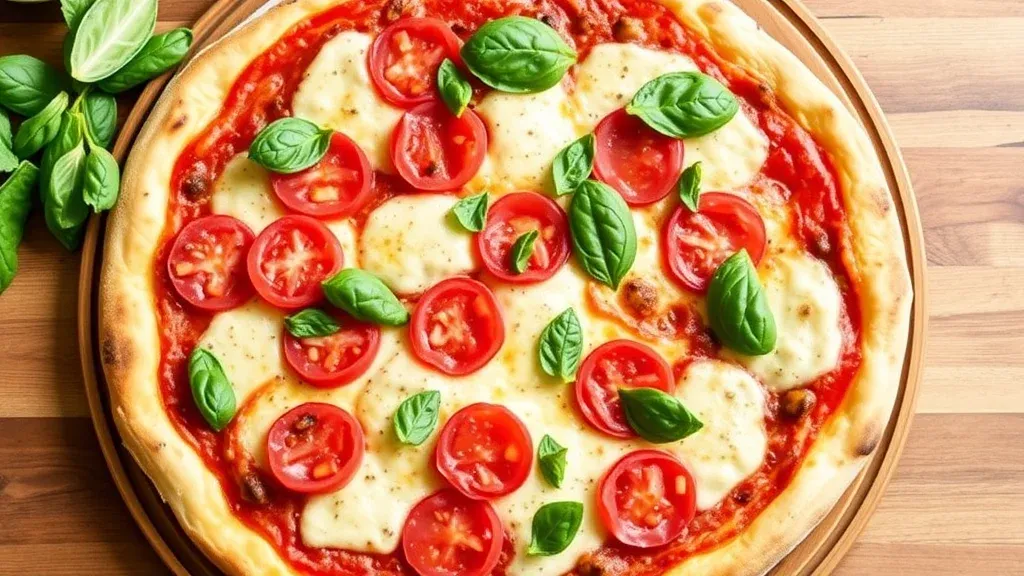

Easy Homemade Vegan Pizza Recipe Guide
If you’re looking for a delicious and easy homemade vegan pizza recipe, you’ve come to the right place! Making your own pizza at home is not only fun, but it allows you to create a meal that is fully customized to your taste. Whether you’re a longtime vegan or just trying to incorporate more plant-based meals into your diet, this guide will help you whip up a delightful vegan pizza. Let’s dive into the ingredients and step-by-step instructions that’ll have you enjoying your pizza in no time.
Gather Your Ingredients
To start, you’ll need some basic ingredients for the crust and toppings. Here’s a simple list:
- For the Crust:
- 2 cups all-purpose flour
- 1 packet (2 ¼ tsp) instant yeast
- ¾ cup warm water
- 1 tablespoon olive oil
- 1 teaspoon salt
- 1 teaspoon sugar
- For the Sauce:
- 1 cup canned crushed tomatoes
- 1 teaspoon garlic powder
- 1 teaspoon dried oregano
- Salt and pepper to taste
- For the Toppings:
- 1 cup shredded vegan cheese
- Your choice of vegetables (e.g., bell peppers, mushrooms, onions, spinach)
- Fresh basil leaves (optional)
Making the Pizza Crust
Follow these simple steps to make your pizza crust:

- In a large bowl, combine warm water, sugar, and yeast. Let it sit for about 5 minutes until bubbly. This activates the yeast.
- Add the olive oil, salt, and flour. Mix until a dough forms.
- Knead the dough for about 5-7 minutes on a floured surface until smooth and elastic.
- Place the dough in a greased bowl and cover it with a clean towel. Let it rise in a warm place for about 30 minutes until it doubles in size.
Preparing the Sauce
While your dough is rising, prepare the pizza sauce:
- In a small saucepan, combine crushed tomatoes, garlic powder, oregano, and season with salt and pepper.
- Simmer on low heat for about 10-15 minutes, stirring occasionally to blend the flavors.
Assembling Your Pizza
Once your dough has risen, it’s time to assemble your pizza:
- Preheat your oven to 475°F (245°C).
- Roll out the dough on a floured surface to your desired thickness.
- Transfer the rolled-out dough onto a parchment-lined baking sheet or pizza stone.
- Spread the sauce evenly over the dough.
- Sprinkle the shredded vegan cheese over the sauce, and add your favorite toppings.
Baking Your Pizza
Now that your pizza is assembled, it’s time to bake!
- Place the pizza in the preheated oven and bake for 12-15 minutes or until the crust is golden brown and the cheese is melted.
- Once baked, remove from the oven and let it cool for a few minutes.
- Garnish with fresh basil leaves if desired.
Serving Suggestions
Your homemade vegan pizza is ready to serve! Cut it into slices and enjoy it warm. Pair it with a fresh salad or some garlic bread for an extra treat. This pizza is perfect for family dinners, get-togethers, or cozy nights in. Feel free to experiment with different toppings and sauces to find your perfect combination!
Explore More Vegan Recipes
If you’re eager to explore more exciting vegan recipes, check out Vegan Richa or Minimalist Baker. They offer a wealth of easy-to-follow recipes that can further enhance your cooking adventures.
With this easy homemade vegan pizza recipe guide, you can enjoy delicious, customized pizzas without any hassle. So gather your ingredients, call your friends or family, and make it a fun pizza night!
Exploring Plant-Based Cheese Alternatives
As the popularity of plant-based diets continues to rise, many people are exploring cheese alternatives that are dairy-free yet flavorful. Plant-based cheese offers a variety of textures and flavors that please both vegans and non-vegans alike. Below you will discover exciting options and some homemade recipes to try!
Types of Plant-Based Cheese Alternatives
Here’s a look at some common types of plant-based cheeses:
- Nut-Based Cheeses: Cashews, almonds, and macadamia nuts are often used as bases for rich and creamy cheeses. These can be flavored with nutritional yeast for a cheesy taste.
- Seed-Based Cheeses: Pumpkin and sunflower seeds create a nutrient-rich cheese alternative that is also allergy-friendly.
- Coconut-Based Cheeses: Coconut milk provides a creamy texture perfect for soft cheeses or spreads. Some brands combine this with other ingredients for a variety of flavors.
- Soy-Based Cheeses: Tofu can be transformed into a versatile cheese alternative through recipes like tofu ricotta or creamy sauces.
- Root Vegetable Cheeses: Using ingredients like potatoes and carrots, it’s possible to create a velvety cheese sauce that can be used on various dishes.
Benefits of Plant-Based Cheese
Making the switch to plant-based cheese offers several advantages:
- Dairy-Free: Eliminating dairy can alleviate lactose intolerance and other dairy-related issues.
- Health Benefits: Many plant-based cheeses are lower in saturated fat and cholesterol-free, allowing for a healthier diet.
- Environmentally Friendly: Producing plant-based cheese typically has a smaller carbon footprint than traditional dairy cheese.
- Variety of Flavors: Plant-based cheeses can be created with diverse ingredients, leading to unique and innovative flavors.
How to Make Your Own Plant-Based Cheese
If you want to get creative and have a hand in the process, making your own plant-based cheese is simple and fun! Here’s a quick recipe for a classic cashew cheese spread:
Ingredients:
- 1 cup raw cashews (soaked for 2-4 hours)
- 1/4 cup nutritional yeast
- 2 tablespoons lemon juice
- 1 clove garlic
- Salt to taste
- Water as needed for consistency
Instructions:
- Drain and rinse the soaked cashews.
- Add the cashews, nutritional yeast, lemon juice, garlic, and salt into a food processor.
- Blend until smooth. Add water gradually to reach your desired consistency.
- Taste and adjust seasoning. Serve with crackers or vegetables!
Popular Brands of Plant-Based Cheese
If you prefer store-bought options, many brands offer high-quality plant-based cheeses. Here are a few popular ones:
| Brand | Type | Website |
|---|---|---|
| Violife | Various cheese flavors including slices and blocks | violifefoods.com |
| Daiya | Cheese shreds, slices, and cream cheese | daiyafoods.com |
| Miyoko’s Creamery | Artisan nut-based cheeses | miyokos.com |
| Treeline Cheese | Creamy nut cheeses and cheeses made from cashews | treelinecheese.com |
Exploring plant-based cheese alternatives can enhance your culinary experience while aligning with dietary preferences. Whether you choose to whip up a homemade version or grab something convenient from your local store, these alternatives can add flavor and nutrition to your diet. Enjoy experimenting with different recipes and flavors!
Creative Toppings for Vegan Pizzas
When it comes to vegan pizza, the possibilities are endless. One of the best parts of crafting your homemade pizza is getting creative with the toppings. By exploring diverse and exciting flavors, you can elevate your vegan pizza experience to new heights. Below are some inventive toppings that will not only satisfy your taste buds but also add a vibrant splash of color to your dish.
Fruits
Fruits can add a fresh and sweet twist to your vegan pizza. Here are some great options:
- Pineapple: This classic topping pairs wonderfully with a variety of sauces, especially barbecue.
- Fig: Sliced fresh figs bring a rich sweetness that works well with earthy ingredients like arugula.
- Avocado: Finally diced avocado adds creaminess, great for a post-bake topping.
- Apple: Thinly sliced apples with a sprinkle of cinnamon can provide a unique flavor profile, especially with a white sauce.
Vegetables
Vegetables are a staple when it comes to vegan pizzas, and experimenting with different varieties can lead to delightful combinations.
- Spinach: Sautéed spinach not only brings a burst of color but also adds a nutritious element.
- Roasted Red Peppers: These peppers introduce a smoky flavor that pairs perfectly with other toppings.
- Artichokes: Marinated artichoke hearts can bring a delightful tanginess.
- Sweet Potatoes: Thin slices of roasted sweet potatoes create a hearty, slightly sweet topping.
- Basil: A sprinkle of fresh basil leaves right before serving adds a refreshing herbal touch.
Cheese Alternatives
Many people think of vegan cheese as the primary alternative, but there are other creative options available:
- Nutritional Yeast: Sprinkle it on your pizza for a cheesy flavor that’s rich in B vitamins.
- Cashew Cheese: Homemade cashew cheese adds creaminess and can be flavored with garlic or herbs.
- Almond Feta: Crumbled almond feta provides a tangy, crumbly texture.
Proteins
Adding protein-rich ingredients can make your pizza more filling. Check out these delicious vegan protein toppings:
- Chickpeas: Roasted chickpeas add crunch and protein to your pizza.
- Tofu: Cubed, marinated, and baked tofu creates a chewy texture that blends well with other toppings.
- Tempeh: Seasoned tempeh, crumbled or sliced, brings depth with its nutty flavor.
- Lentils: Cooked lentils can be a hearty topping that adds both nutrients and flavors.
Sauces and Spreads
The sauce can make or break your pizza. Here are some unconventional choices:
- Pesto: Use a vegan basil pesto for a herby kick.
- Buffalo Sauce: Add a spicy twist and pair it with vegan ranch dressing for dipping.
- BBQ Sauce: This sweet and tangy sauce works wonders with veggies and tofu.
Spices and Seasonings
Enhance the flavors of your pizza with the right spices and seasonings:
- Red Pepper Flakes: A sprinkle can add heat and excitement.
- Oregano: This classic herb is a perfect match for tomato-based sauces.
- Garlic Powder: Sprinkle garlic powder for that rich flavor boost.
Creating a vegan pizza can be as fun as it is fulfilling. With endless options for fruits, vegetables, proteins, and sauces, there is a combination out there to suit every palate. Be bold; mix and match to find your perfect blend!
For more inspiring recipes and ideas, visit Vegan Richa or check out Minimalist Baker for delicious vegan meals.
The Benefits of a Vegan Diet for Health
A vegan diet is gaining popularity not just for ethical and environmental reasons but also for its significant health benefits. Transitioning to a plant-based diet can lead to numerous improvements in various health markers, making it an attractive option for those looking to enhance their well-being.
Improved Nutrient Intake
A vegan diet is rich in essential nutrients. When focusing on whole plant foods, you typically consume a higher intake of:
- Vitamins (such as C and E)
- Minerals (like magnesium and potassium)
- Fiber
- Antioxidants
These nutrients play crucial roles in maintaining overall health, including supporting the immune system, promoting gut health, and even reducing inflammation.
Heart Health Benefits
Switching to a vegan diet can significantly lower your cholesterol levels and blood pressure. This is largely because a plant-based diet is low in saturated fats and high in fiber. Research shows that vegans tend to have a lower risk of heart disease, which is one of the leading causes of death worldwide. foods like legumes, whole grains, and nuts not only supports cardiovascular health but also improves blood circulation.
Weight Management
One of the standout benefits of a vegan diet is its potential for weight management. Plant-based foods are generally lower in calories compared to animal products while providing a sense of fullness due to their high fiber content. You’re more likely to maintain a healthy weight when consuming:
- Fruits
- Vegetables
- Whole grains
- Legumes
Studies indicate that vegans often have a lower body mass index (BMI) compared to non-vegans, contributing to overall health and longevity.
Lower Risk of Chronic Diseases
Numerous studies link a vegan diet to a reduced risk of chronic diseases, such as type 2 diabetes, hypertension, and certain types of cancer. For instance, plant-based eaters often enjoy lower blood sugar levels and improved insulin sensitivity. Such diets are rich in phytonutrients, which help protect against cellular damage linked to cancer.
Enhanced Digestive Health
Fiber is a crucial element in promoting digestive health, and a vegan diet is abundant in it. Improved digestion can lead to favorable conditions for gut bacteria, enhancing overall gut health. Foods like beans, lentils, and whole grains encourage regular bowel movements and can prevent digestive disorders.
Environmental Impact
While the focus here is on health benefits, it’s worth noting that a vegan diet also positively impacts the environment. By reducing the demand for animal products, you are contributing to a decrease in greenhouse gas emissions and resource depletion.
Psychological Benefits
Adopting a vegan lifestyle can also positively influence mental health. Many individuals report feeling more energetic and less burdened by guilt associated with animal suffering. Not to mention, the increased focus on nutritious foods can lead to improved mood and reduced anxiety.
Sample Meal Plan
To help you get started on your vegan journey, here’s a simple meal plan:
| Meal | Example |
|---|---|
| Breakfast | Oatmeal topped with fresh fruits and nuts |
| Lunch | Quinoa salad with chickpeas, cucumbers, and a lemon vinaigrette |
| Dinner | Stir-fried tofu with mixed vegetables and brown rice |
| Snack | Carrot sticks with hummus |
This nutrient-dense meal plan can help ensure that you receive all the essential vitamins and minerals while enjoying diverse flavors.
If you’re curious about more resources, check out [The Vegan Society](https://www.vegansociety.com) or [Forks Over Knives](https://www.forksoverknives.com) for recipes and inspiration.
Switching to a vegan diet can pave the way to better health. With the array of benefits ranging from weight management to improved heart health, it’s an excellent strategy for enhancing your overall lifestyle.
Quick Tips for Perfect Pizza Dough
Creating the perfect pizza dough is an art that requires a mix of techniques and a dash of patience. Whether you’re a beginner or someone looking to hone your skills, here are some quick tips to guide you in achieving that perfect crust.
Choosing the Right Flour
The foundation of great pizza dough starts with the right flour. Here are your options:
- All-Purpose Flour: Great for beginners, this flour yields a decent pizza crust.
- 00 Flour: Preferred by many experts, this finely milled flour creates a chewy, restaurant-style crust.
- Whole Wheat Flour: For a healthier option, whole wheat flour can be used. It adds a nutty flavor and more nutrients.
For the best results, you may also consider mixing flours to achieve the desired texture. A combination of all-purpose and 00 flour is often recommended.
Proper Hydration
Water is essential in pizza dough making. The ratio of water to flour (hydration) greatly affects the dough’s texture. Here are some key points:
- 50-60% Hydration: This is standard for most pizza dough recipes, providing a chewy texture.
- 70% Hydration: Higher hydration results in a softer and airier crust, but it can be trickier to handle.
Always use warm water (about 110°F or 43°C) to activate the yeast effectively.
Yeast Types and Activation
Yeast is crucial for leavening your dough. Here’s what you need to know about types of yeast:
- Active Dry Yeast: Needs to be rehydrated in water before use. Make sure your water is warm.
- Instant Yeast: Can be mixed directly with flour. It works faster and is more reliable.
Let your dough sit after mixing to allow the yeast to activate and develop flavor. A bulk fermentation of at least 1 hour is recommended.
Kneading Techniques
Nourishing your dough through kneading develops gluten, leading to a better rise. Consider these kneading tips:
- Duration: Knead the dough for about 8-10 minutes until it’s smooth and elastic.
- Rest Periods: Allow the dough to rest for 5-10 minutes between kneading sessions to relax gluten.
Remember, over-kneading can lead to a tough crust, while under-kneading will result in dense pizza.
Fermentation Time
Fermentation contributes to flavor and texture. Here are two popular methods:
- Quick Rise: Let the dough rise in a warm place for 1-2 hours.
- Cold Fermentation: Place the dough in the refrigerator for 24-72 hours. This method enhances flavor and makes the dough easier to handle.
The longer you let your dough ferment, the better the flavor!
Shaping Your Dough
How you shape your dough influences the final product. Here are some suggestions:
- Gentle Hand: Use your fingers to stretch the dough instead of rolling it out, to avoid deflating the air bubbles.
- Rest Between Stretches: If the dough fights back, let it rest for a few minutes before continuing to shape.
Baking Tips
Achieving that crispy, golden crust requires attention to detail during baking:
- Preheat Your Oven: Get your oven up to at least 475°F (245°C) before baking. The hotter, the better!
- Baking Stone or Steel: Use a pizza stone or steel for even heat distribution, which helps you achieve a crispy crust.
Consider pre-baking your crust for a few minutes before adding toppings for less sogginess.
With these quick tips, you’re now equipped to make perfect pizza dough at home. Experiment, enjoy the process, and soon enough, you’ll impress your friends and family with delicious homemade pizzas.
For more recipes and expert tips, check out PizzaCraft and The Kitchn.
How to Customize Vegan Pizzas for Everyone
Creating the perfect vegan pizza can be a delightful experience, especially when you get to customize it for everyone’s tastes. Vegan pizzas are versatile, allowing you to swap out ingredients and experiment with flavors. Let’s explore various ways to make a vegan pizza that suits everyone around your table.
Choosing the Right Base
The first step in customizing your vegan pizza is selecting a base. Here are some popular options:
- Traditional Pizza Dough: Made from flour, water, yeast, and salt, this classic option can be easily made vegan.
- Cauliflower Crust: A lower-carb alternative, this crust is made from ground cauliflower and is gluten-free.
- Chickpea Flour Crust: High in protein and gluten-free, chickpea flour offers a unique flavor and texture.
- Whole Wheat Crust: For a healthier choice, whole wheat dough adds fiber and nutrients.
Flavorful Sauces
The sauce can make or break your pizza. For vegan pizzas, you have several options:
- Tomato Sauce: A classic choice; you can enhance it with herbs like basil and oregano.
- Pesto: Use a vegan version, made from basil, garlic, sunflower seeds, and nutritional yeast.
- White Sauce: Create a base with cashew cream or almond milk, adding garlic and nutritional yeast for richness.
- Barbecue Sauce: Perfect for a smoky pizza, combine it with veggies and vegan cheese.
Layering on the Toppings
Now for the fun part—toppings! Customizing yours allows you to cater to any dietary preference:
- Veggies: Go for a mix of colors and textures. Consider bell peppers, mushrooms, red onions, spinach, and zucchini.
- Fruits: Pineapple is a favorite, but you can also try figs, olives, or even apples for a sweet twist.
- Vegan Cheese: Options range from store-bought brands to homemade versions using nuts or tofu. Try melting some for a delightful stringy texture.
- Protein Additions: Consider chickpeas, lentils, or tempeh for a protein boost.
Cooking Methods
The way you cook your vegan pizza can influence its final flavor and texture. Here are some methods:
- Conventional Oven: Bake on a pizza stone or a baking sheet for 12-15 minutes at 475°F (245°C).
- Grill: Perfection for summer nights. Preheat your grill and cook the pizza on a pizza stone or directly on the grates.
- Air Fryer: A quick option—cook for about 8-10 minutes for a crispy finish.
Special Diet Considerations
When customizing your vegan pizza, be mindful of common dietary restrictions. Here are some considerations:
- Gluten-Free: Use gluten-free crust options such as cauliflower or chickpea flour crusts.
- Nut-Free: Opt for tofu-based or soy-based vegan cheeses and avoid nut ingredients.
- Low-carb: Cauliflower crusts or zucchini-based options are great for those watching carbs.
Getting Inspired
If you need a little inspiration for your vegan pizza night, check out these fantastic resources:
- Love & Lemons Vegan Pizza Recipes
- Minimalist Baker’s Vegan Pizza Recipe
- Earth of Maria Vegan Pizza Ideas
Customizing vegan pizzas is all about personal preference. Whether you prefer a traditional approach or enjoy experimenting with unique ingredients, there’s no wrong way to create a pizza tailored to everyone’s tastes. So gather your favorite ingredients, fire up the oven, and enjoy a delicious customized meal that everyone will love!
Pairing Vegan Pizzas with Refreshing Beverages
Pizza is a beloved dish that transcends culinary boundaries. For those embracing a vegan lifestyle, making delicious vegan pizza at home offers endless possibilities. The right beverage pairing can elevate the whole experience, creating a refreshing meal. Here’s how you can enhance your easy homemade vegan pizza with refreshing drinks.
Exploring Beverage Options
When selecting beverages to enjoy with your vegan pizza, think about contrasting flavors and textures. Here’s a breakdown of some delightful drink options:
- Sparkling Water: A classic choice that cleanses the palate. Flavored sparkling water, such as lime or lemon, adds a zesty twist.
- Iced Herbal Tea: Check out fruity herbal teas like hibiscus or chamomile. These teas can be served iced, providing a refreshing alternative to sugary drinks.
- Fresh Juices: A vibrant glass of carrot or orange juice complements a veggie-packed pizza. These juices are not only refreshing but boost your vitamins, too.
- Craft Sodas: Visit local breweries for unique craft sodas infused with natural flavors. They often offer options with less sugar, ideal for pairing without overwhelming your meal.
- Non-Alcoholic Beer: Similar in flavor to traditional beer, many non-alcoholic options provide the same crisp taste, making them a great match for hearty pizzas.
Perfect Pairings Based on Pizza Toppings
The type of vegan pizza you create can heavily influence your beverage choice. Here’s a quick guide:
| Pizza Type | Recommended Beverage |
|---|---|
| Margherita (Tomato, Basil, Vegan Cheese) | Lemonade or Iced Green Tea |
| Pesto Veggie (Spinach, Artichoke, Vegan Pesto) | Cucumber Mint Sparkling Water |
| BBQ Chickpea (BBQ Sauce, Veggies, Chickpeas) | Craft Apple Soda |
| Mushroom Truffle (Mushrooms, Garlic, Vegan Cheese) | Non-Alcoholic Pale Ale |
| Spicy Veggie (Peppers, Jalapeños, Vegan Cheese) | Tropical Fruit Punch |
Alcoholic Beverage Options
If you enjoy the occasional drink, consider these options:
- Vegan Wine: Many wines are vegan-friendly, meaning they do not use animal-derived fining agents. A light rosé or a fruity red can complement a range of pizzas.
- Cocktails: Opt for cocktails using fresh ingredients such as mojitos with mint and lime or a wholesome sangria with plenty of fruit.
Making Your Own Refreshing Drinks
Crafting your own beverages allows you to personalize the flavors to suit your vegan pizzas. Here are some easy recipes:
- Mint Lemonade: Blend fresh mint leaves, squeezed lemons, a touch of agave syrup, and water. Serve chilled for a refreshing zing.
- Berry Iced Tea: Steep your favorite herbal tea, chill it, then blend with fresh or frozen berries for a naturally sweet drink.
Keeping It Healthy
Health-conscious choices are essential in maintaining a balanced diet. Opting for low-sugar, natural drinks can enhance your meal without adding unnecessary calories. Here are suggestions:
- Use fresh fruits to flavor water instead of sugary mixers.
- Reduce added sugars by experimenting with herbs and spices.
- Consider probiotics by choosing kombucha, which is both delicious and beneficial for gut health.
With the ideal beverage by your side, you can transform your homemade vegan pizza into a delightful experience. Each sip can amplify the flavors of your pie, creating memorable mealtime moments.
For more ideas on crafting delicious vegan meals and drinks, visit Plant-Based on a Budget and Minimalist Baker. These resources offer a wealth of recipes and inspiration for your kitchen adventures!
Key Takeaway:
Creating a delicious homemade vegan pizza is not only simple but also an exciting way to explore plant-based cooking. In this article, we covered several key aspects that will guide you through the process of making the perfect vegan pizza right in your own kitchen.
First, we provided an easy homemade vegan pizza recipe guide, which allows you to whip up your favorite pizza with minimal hassle. The guide breaks down the steps, from crafting the dough to baking the pizza, ensuring that even beginners can create a pizza that tastes amazing while adhering to a vegan diet.
Next, we delved into the world of plant-based cheese alternatives. Understanding these options is crucial, as they can transform your pizza from ordinary to extraordinary. Whether you opt for store-bought cheese or create your own nut-based cheese spread, these alternatives can add flavor and texture that you’ll love.
We also highlighted creative toppings that will add flair to your vegan pizza. From fresh vegetables to bold sauces and herbs, the possibilities are endless. Learning how to customize your toppings not only enhances the flavor but also ensures that there’s something for everyone, making pizza night a fun family affair.
Understanding the health benefits of a vegan diet can also motivate you to make plant-based choices more often. We discussed how including pizzas made with wholesome ingredients can contribute to overall well-being, making it easier for you and your loved ones to enjoy tasty meals without compromising on health.
Quick tips for perfecting your pizza dough were shared to help you achieve that ideal crust, and we emphasized the importance of customizability when making vegan pizzas. This ensures that everyone at your table can enjoy their personal favorite combinations.
We explored refreshing beverage pairings that complement your homemade vegan pizza. Whether you choose a sparkling drink, a rich tea, or a fruity smoothie, the right beverage can elevate your meal experience.
Making vegan pizza at home can be an enjoyable and healthy activity. With the right recipe, ingredients, and creativity, you can create a delightful pizza experience that satisfies not just your hunger but also your love for plant-based cuisine. Enjoy your pizza-making journey!
Conclusion
Creating your own easy homemade vegan pizza is not just a culinary adventure; it’s an opportunity to embrace a healthier lifestyle filled with creativity and flavor. By exploring plant-based cheese alternatives, you can enjoy cheesy goodness without compromising your values. The toppings you choose can transform a simple pizza into a gourmet experience, ensuring that your meal is never boring.
Adopting a vegan diet offers numerous health benefits, including better heart health, improved digestion, and increased energy levels. Coupled with the quick tips shared for perfecting your pizza dough, you now have the tools to make a delightful crust that everyone can enjoy.
Customizing your vegan pizzas means catering to all taste preferences, from the spicy lover to the veggie enthusiast. As you navigate through various topping options, don’t forget to think about refreshing beverages that can perfectly complement your culinary creation. Whether it’s a sparkling water with lemon or a crisp vegan-friendly beverage, pairing the right drink can elevate your pizza night.
So gather your ingredients, unleash your imagination, and start making easy homemade vegan pizzas that not only satisfy your cravings but also promote health and well-being. There’s joy in the process, and every pizza you create is an expression of your taste. Enjoy this delicious journey, and let your love for vegan cooking flourish!